How to Tell If a Leather Belt Is Real
A practical 5-test guide from 12 years in the leather business — spot fakes before you buy.
Quick answer: real leather absorbs water, creases naturally, has a distinct earthy smell, feels warm and textured, and realistically costs more than most ultra-cheap belts. If a belt fails three or more of these checks, it is probably not what you want.
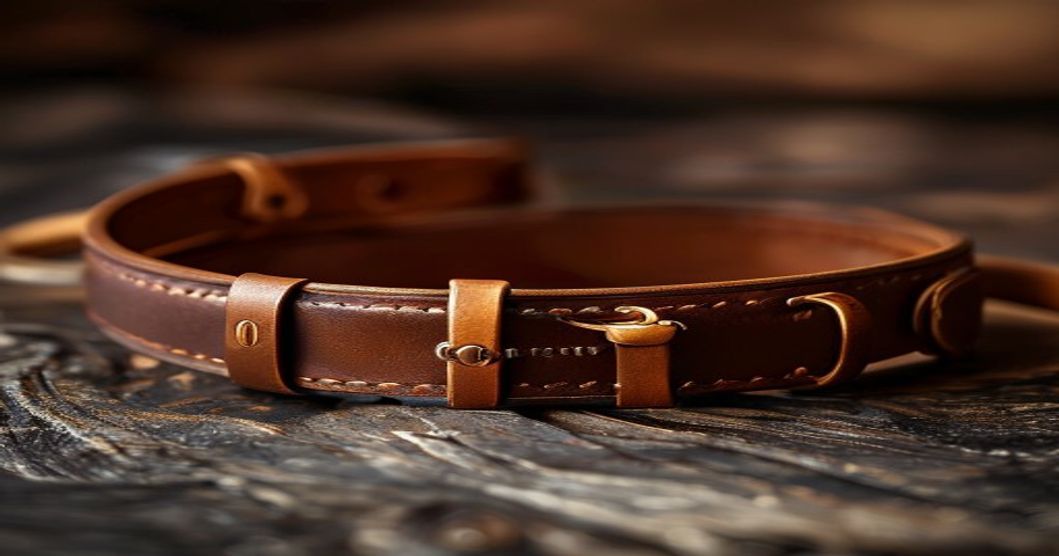
Real vs Fake Leather Belt: A Quick Comparison
Before you read the detailed tests, here is a simple cheat sheet. This table works especially well on mobile.
| Test | Real leather | Fake leather |
|---|---|---|
| Water | Absorbs slowly | Sits on top |
| Bending | Creases naturally, then recovers | Snaps back perfectly or creases like plastic |
| Smell | Earthy, organic, warm | Chemical, plastic, or rubbery |
| Texture | Natural variation and grain | Uniform, perfect, synthetic |
| Price | Realistically higher once quality and labor are counted | Suspiciously low |
The Water Drop Test
This is still the fastest first check I use in real life.
How to do it
Place one drop of water on the belt surface and wait about 10 seconds.
What to look for
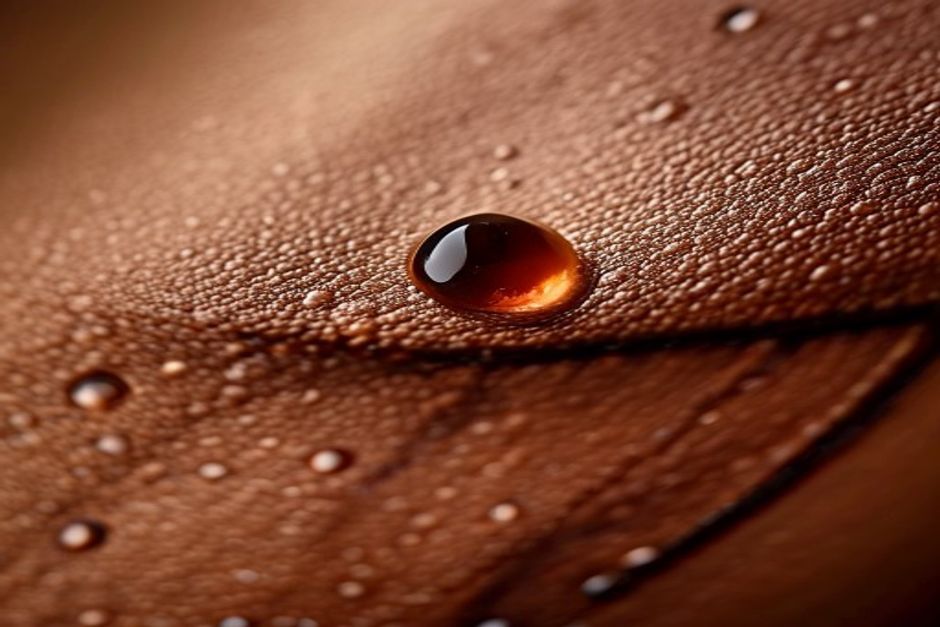
Real leather: the drop slowly absorbs. You will often see a slight darkening as the moisture moves into the hide.
Fake leather: the drop stays on the surface, almost like it is sitting on plastic.
Why this matters: real leather has natural pores, so it behaves like skin. Fake leather usually has a coated or synthetic surface that repels moisture.
One warning: heavily finished leather can resist water at first because of the topcoat. But even then, true leather usually absorbs eventually. If it never does, that is a red flag.
Want to try it yourself? Every BeltCrew belt is made from clearly labeled full-grain or top-grain leather — so you can run these tests with confidence. Browse the full collection →
The Bending Test
This test reveals how the material behaves under stress.
How to do it
Fold the belt in half, press firmly, then release.
What to look for
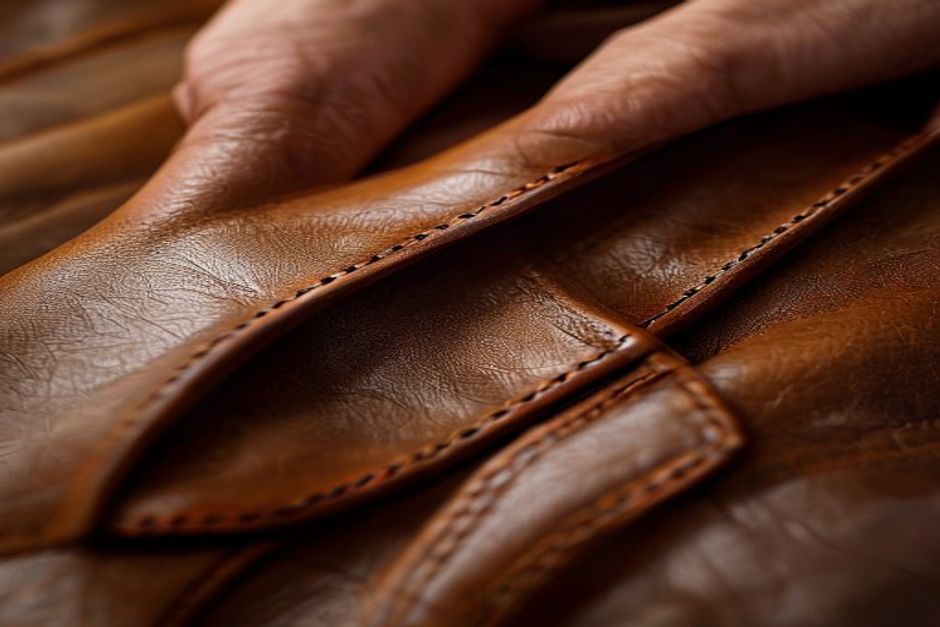
Real leather: develops natural creases and wrinkles. After release, the creases soften and the belt gradually relaxes.
Fake leather: either resists bending, snaps back perfectly flat, or creases sharply like plastic.
After handling thousands of belts, this pattern is very consistent: real leather has a kind of memory. It bends, softens, and slowly returns to form rather than snapping back like a ruler.
The Smell Test
This sounds subjective, but it is more reliable than people expect.
How to do it
Bring the belt close to your nose and take a slow, deep sniff.
What to look for
Real leather: has an earthy, slightly sweet, organic scent — the kind most people associate with leather jackets, saddles, or car interiors.
Fake leather: often smells like chemicals, plastic, rubber, or factory adhesive. If it reminds you of a new shower curtain, be skeptical.
I still think this test works best when you compare two belts side by side. When you do, your nose usually knows which one is real.
The Texture Test
Run your fingers across the surface and the back of the belt.
Real leather:
- Has natural variation — no two spots feel exactly the same
- Shows visible grain, especially on full-grain leather
- Feels warm, textured, and slightly imperfect
- May show natural marks such as healed scars or subtle grain shifts
Fake leather:
- Feels too uniform and consistent
- Often has a smooth, plasticky, or overly perfect surface
- Feels cooler to the touch
- Lacks the natural character you find in real hides
Also check the back. Real leather often feels rough or suede-like on the underside, while fake leather sometimes shows fabric backing or a very uniform synthetic surface.
The Price Test
This is not a hands-on test, but it matters just as much.
Why price tells you something
- Quality hide costs money before anyone cuts, stitches, or finishes it
- Skilled labor, buckle hardware, quality packaging, and shipping add up
- Ultra-cheap pricing often means the seller is cutting corners somewhere
A realistic way to read it
- Under $20: usually not a quality belt and often not genuine full-grain leather
- $20–$40: could be split leather or entry-level material
- $40–$80: more likely to be genuine top-grain or full-grain leather
- $80+: often premium leather, better finishing, and more reliable construction
I am not saying cheap equals bad in every case, but if a seller claims a belt is premium leather for $15, the promise usually does not add up.
Bonus: The Fire Test
I would not do this one in a store, but it is worth mentioning for completeness.
Hold a lighter near a hidden spot for 2–3 seconds.
- Real leather: may scorch slightly, smells like burning skin or hair, and does not melt.
- Fake leather: can bubble, melt, or catch fire more easily, and smells like burning plastic.
This is dramatic, which is why I do not call it my first-choice method. But it does show why real leather and synthetic substitutes are fundamentally different materials.
Why the Leather Grade Matters
Here is something many buyers still get wrong: “genuine leather” is not a quality ranking — it is a grade. It means the belt is real leather, but it does not mean it is the best kind.
The usual hierarchy
- Full grain — best quality, strongest grain, ages beautifully
- Top grain — strong, slightly refined, still durable
- Genuine leather — real, but lower tier
- Bonded leather — mixed fragments, weak over time
- Faux leather — not real leather at all
This is why I always tell customers to look past the label. The phrase “genuine leather” sounds premium, but the belt may actually be one of the weakest real-leather options available.
| Leather grade | Best for | What to expect |
|---|---|---|
| Full grain | Durability, patina, long-term daily use | Natural grain, character, premium feel |
| Top grain | Strong daily wear with a slightly cleaner surface | Good balance of strength and finish |
| Genuine leather | Budget buyers who still want real leather | Real, but less character and longevity |
| Bonded leather | Low-cost items | Prone to peeling and breakdown |
| Faux leather | Strictly synthetic use | Not real leather |
How to Choose a Belt That Lasts
If you want a belt worth keeping, look for these three things:
- Full grain or top grain leather, not just a vague “genuine leather” label
- Credible construction — clean stitching, solid buckle, thoughtful finishing
- A realistic price — quality materials do not cost almost nothing
At BeltCrew, we state the leather type on every product page because buyers deserve to know exactly what they are getting. If you are browsing for your first serious belt, our CATELLES everyday belt is an approachable place to start. If you want a true premium option, the JIELUNOUSI classic belt is the one I would choose for long-term daily wear. For something more fashion-forward, take a look at the INXX STREET urban chain belt.
Frequently Asked Questions
Will the water drop test ruin my belt?
No. One small drop will not damage a quality leather belt. Just let it dry naturally afterward. If you are worried, test a hidden spot first — like the back of the belt near the buckle. After 12 years of testing belts this way, I have never seen water damage from a single drop on real leather.
Can a real leather belt peel?
Real leather can dry out if it is neglected, but quality full-grain leather does not peel the way synthetic belts do. Bonded leather, on the other hand, often peels within months because it is made from ground-up leather fibers bonded with adhesive. Conditioning your belt every few months with a leather balm helps preserve the surface over time.
How long should a genuine leather belt last?
With reasonable care, a well-made full-grain leather belt can last 5–10 years or more. Top-grain leather typically lasts 3–5 years with daily use. The key difference is that real leather develops patina — a rich, darker tone that comes from use — rather than cracking or peeling like synthetic materials.
Is “genuine leather” the same as “real leather”?
Yes, both terms mean the belt is made from actual animal hide. However, “genuine leather” is a grade designation that typically refers to lower-quality leather — the third tier below full-grain and top-grain. It is real leather, but it is not the best leather. If you want a belt that lasts, look for labels that say “full grain” or “top grain” instead.
What is the difference between full-grain and top-grain leather?
Full-grain leather uses the complete grain of the hide without any sanding or finishing, so it retains natural marks and develops a rich patina over time. Top-grain leather has the outermost layer sanded down for a more uniform appearance. Both are high-quality options — full-grain is stronger and more characterful, while top-grain offers a cleaner look with slightly less durability.
How can I tell if my existing belt is real leather without doing any tests?
Look at the cut edge of the belt. Real leather shows a fibrous, irregular cross-section with visible grain layers. Fake leather typically shows a uniform, fabric-like or plastic-like edge. Also check the back — genuine leather usually feels rough or suede-like, while fake leather often has a perfectly smooth or fabric-backed surface.
Do expensive leather belts always mean better quality?
Not always, but price is a strong indicator. Quality full-grain hide costs significantly more than bonded or synthetic materials before any crafting begins. A belt priced under $20 is unlikely to be genuine full-grain leather. In my experience, belts in the $40–$80 range tend to offer the best balance of quality materials, solid construction, and value.
Can I use the bending test on a belt I already own?
Absolutely. The bending test works just as well on belts you have been wearing. Fold the belt in half at the widest point and press firmly. Real leather will crease and then gradually relax back toward its original shape. If the belt snaps back perfectly flat with no visible creasing, or if the creases look sharp and plastic-like, it is likely synthetic or bonded leather.
About the author: With 12 years in the leather business and thousands of belts handled, these are the five checks I use in real buying situations to spot fakes before I trust a product. No lab equipment required.
Find a Belt That Will Actually Last
The quick version is simple: real leather absorbs water, creases naturally, smells organic, and usually costs more than bargain-bin pricing would suggest. Fake leather usually fails on at least three of those points.
If you want belts built from better leather and designed to age well, that is exactly what we focus on at BeltCrew.